Loading...
Serving Indio, CA and surrounding areas. (442) 215-3507
Most Indio homes built before 2010 are running on insulation that no longer meets California standards. A retrofit upgrade stops the desert heat at your ceiling and puts real money back in your pocket every summer.
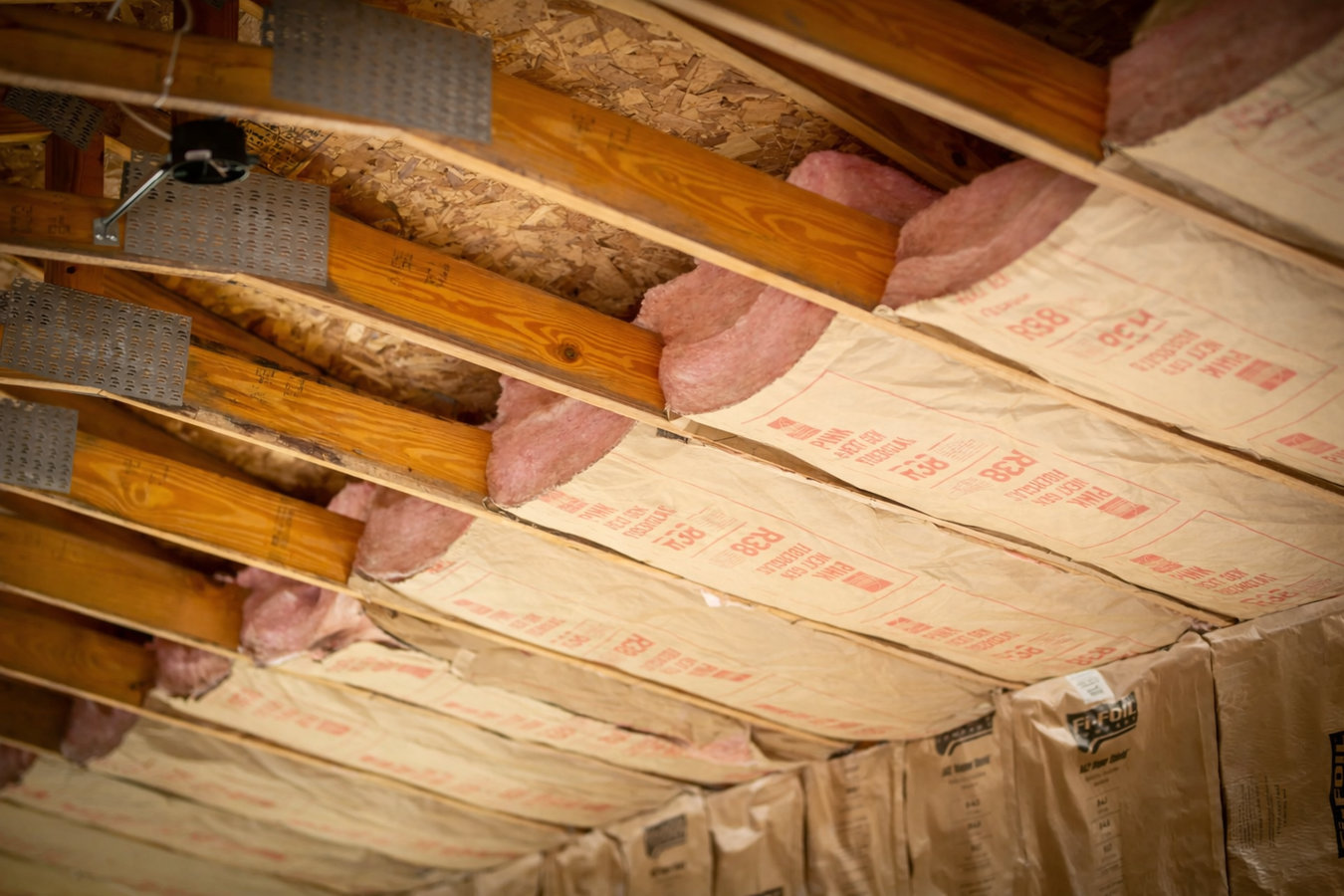
Retrofit insulation in Indio means adding new insulation to a home that is already built and occupied, without tearing out walls or starting a major renovation. Contractors work through your attic hatch, crawl space entry, or small access holes to reach the areas that need material. Most attic projects are completed in a single day, and you can stay in your home the entire time.
If your home was built during Indio's residential boom years of the 1980s through early 2000s, the original insulation was installed to the minimum standards of that era. Those standards are well below what California now requires for Climate Zone 15. On top of that, blown-in insulation settles and compresses over decades, so homes that started with adequate coverage often have far less effective protection than homeowners realize. The result shows up every June when the IID bill arrives.
Homeowners who pair a retrofit upgrade with home insulation improvements across multiple areas, including walls and floors over garages, see the most consistent cooling performance because the whole thermal envelope is addressed together. A good retrofit contractor will assess every area during the same visit so you understand the full picture before deciding on a scope.
If your AC runs continuously through an Indio afternoon but rooms still feel hot and stuffy by evening, attic insulation is almost always the culprit. Attic temperatures here routinely hit 150 degrees Fahrenheit, and thin insulation lets that heat radiate straight through the ceiling into your living space. The problem gets worse the older the insulation gets, as settled material provides far less resistance than its original depth would suggest.
If your electric bill spikes sharply from June through September, and you have not changed your habits or added new appliances, degraded insulation is a likely factor. A well-insulated attic holds conditioned air longer, which means your AC cycles on and off less often. Homes with the same floor plan on the same street can have dramatically different IID bills depending on how much attic insulation they are running on.
If you look into your attic with a flashlight and can clearly see the wooden joists running across the floor of the space, your insulation has settled to a level that no longer meets California requirements. Proper insulation should cover those beams completely. This is a quick visual check any homeowner can do, and it is one of the most reliable signs that a retrofit upgrade is overdue.
Rodents and insects nest in attic insulation throughout the Coachella Valley, especially in older blown-in material that has not been disturbed in years. If you notice droppings, nesting debris, or an unusual smell when you access the attic, the existing material may need to be removed and replaced, not just supplemented. Adding new insulation over contaminated material creates ongoing health concerns and fails to address the underlying problem.
Indio Insulation handles attic, wall, floor, and crawl space retrofit work for existing homes throughout the Coachella Valley. The attic is almost always the first priority because it is where the most heat enters a home in this climate. We blow in fiberglass or cellulose loose-fill to bring attic depth up to current California standards, and we include air sealing of penetrations and gaps before any new material goes down. Air sealing is the step that separates a thorough retrofit from a superficial one: insulation alone does not stop air from moving through your ceiling, but sealing combined with insulation does.
For walls, we use injection foam or dense-pack blown-in techniques that allow us to reach existing wall cavities through small access holes, minimizing damage to finished surfaces. Older Indio homes in neighborhoods near downtown and along Miles Avenue often have little or no wall insulation, making them strong candidates for this approach. We also work on floors over garages and unconditioned spaces, crawl space insulation, and any area identified during our initial assessment as a significant heat gain point.
When existing material is contaminated or heavily degraded, we coordinate commercial insulation removal and replacement as part of a complete envelope upgrade, and we always assess whether home insulation improvements elsewhere in the structure would meaningfully add to the comfort and energy savings the homeowner is trying to achieve.
The ENERGY STAR Seal and Insulate program recommends combined air sealing and insulation as the most effective approach for existing homes, and the Imperial Irrigation District offers rebates for qualifying insulation upgrades in Indio that can offset part of the project cost.
The most common project for Indio homes. Brings attic insulation to current California Climate Zone 15 minimums with fiberglass or cellulose loose-fill, including air sealing of all penetrations.
For older homes with little or no wall insulation. Uses injection foam or dense-pack techniques through small access holes to minimize disruption to finished walls.
For homes where rodent activity or moisture has degraded existing material. Removes compromised insulation before installing new material, so the new work performs as intended.
Addresses attic, walls, and floor cavities in a single project scope. Best for homes built before 2000 that have never had insulation work done.
Indio sits in one of the hottest metropolitan areas in the United States. Summer temperatures exceed 110 degrees Fahrenheit regularly, and attic temperatures can climb to 150 degrees or higher on an afternoon in July. That kind of sustained heat puts enormous pressure on any home's thermal envelope, and a house with insulation installed to 1990s standards is essentially fighting the desert with a tool that was never adequate for the conditions here. Homes in newer neighborhoods like Sun City Shadow Hills have better starting points, but even a 15-year-old home may benefit from a top-off if settling has reduced effective depth.
Most Indio homes are served by the Imperial Irrigation District, not Southern California Edison. The IID has its own energy efficiency rebate programs, which are separate from state utility incentives and change from year to year. For homeowners in areas like Coachella and La Quinta where IID also serves, checking rebate availability before starting a project can meaningfully reduce the out-of-pocket cost. We help every customer understand what IID programs apply to their specific job before they sign anything.
Older neighborhoods near downtown Indio and along the city's western edge, including homes in and around central Indio, include homes built in the 1950s through 1970s that often have original insulation that has never been replaced. These homes see the biggest gains from a full retrofit because there is so much room between where they are starting and where California now requires them to be. A single attic retrofit on a home like this can make a noticeable difference within the first full summer after the work is done.
We will ask basic questions about your home's size, age, and what you have been experiencing. Replies within one business day. No pressure, no commitment required to start the conversation.
A technician visits to measure existing insulation depth, check for air leaks, and look for pest or moisture issues that need to be resolved first. You receive a written, itemized quote before anything is scheduled.
The crew seals gaps around fixtures, pipes, and penetrations first, then blows in new material to the required depth. Most attic jobs are finished in two to four hours. You stay home throughout.
The technician walks you through the completed work and confirms final depth measurements. If you are applying for an IID rebate, we provide the documentation you need to submit your claim.
Free on-site estimate. No obligation. We reply within one business day.
(442) 215-3507We upgrade insulation in Indio homes every day, so we know how existing attics, walls, and crawl spaces behave in desert conditions. Every job is installed to current state standards, with documentation of the finished work for permits or resale.
We know the Imperial Irrigation District's current energy efficiency programs because we work in Indio regularly. We flag rebate eligibility during the estimate phase so you are not left trying to figure out the paperwork after the job is done and the filing window has closed.
Every retrofit we do includes sealing penetrations, gaps, and attic bypasses before new insulation goes down. Contractors who skip this step deliver far less improvement in comfort and energy performance. We include it in every scope because the outcome depends on it.
We document existing insulation depth before we start and final depth when we finish, and we give you a copy. That record matters if you apply for a rebate, sell your home, or ever need to demonstrate what was installed. Most contractors do not provide this level of documentation as a standard practice.
Retrofit insulation is one of those investments that pays you back every month on your IID bill. We have done this work across Indio, Coachella, La Quinta, and the wider Coachella Valley, and we know what it takes to get real results in this climate. Call us or submit a request and we will schedule a free assessment, typically within a few days.
Insulation for Indio commercial buildings including offices, retail spaces, and warehouses, with permit handling and Title 24 compliance.
Learn moreComprehensive home insulation assessments covering attics, walls, floors, and crawl spaces for whole-envelope thermal performance.
Learn moreSummer is the most expensive season to have a poorly insulated attic. Lock in your assessment date now and have the work done before the heat peaks.