
Loading...
Serving Indio, CA and surrounding areas. (442) 215-3507
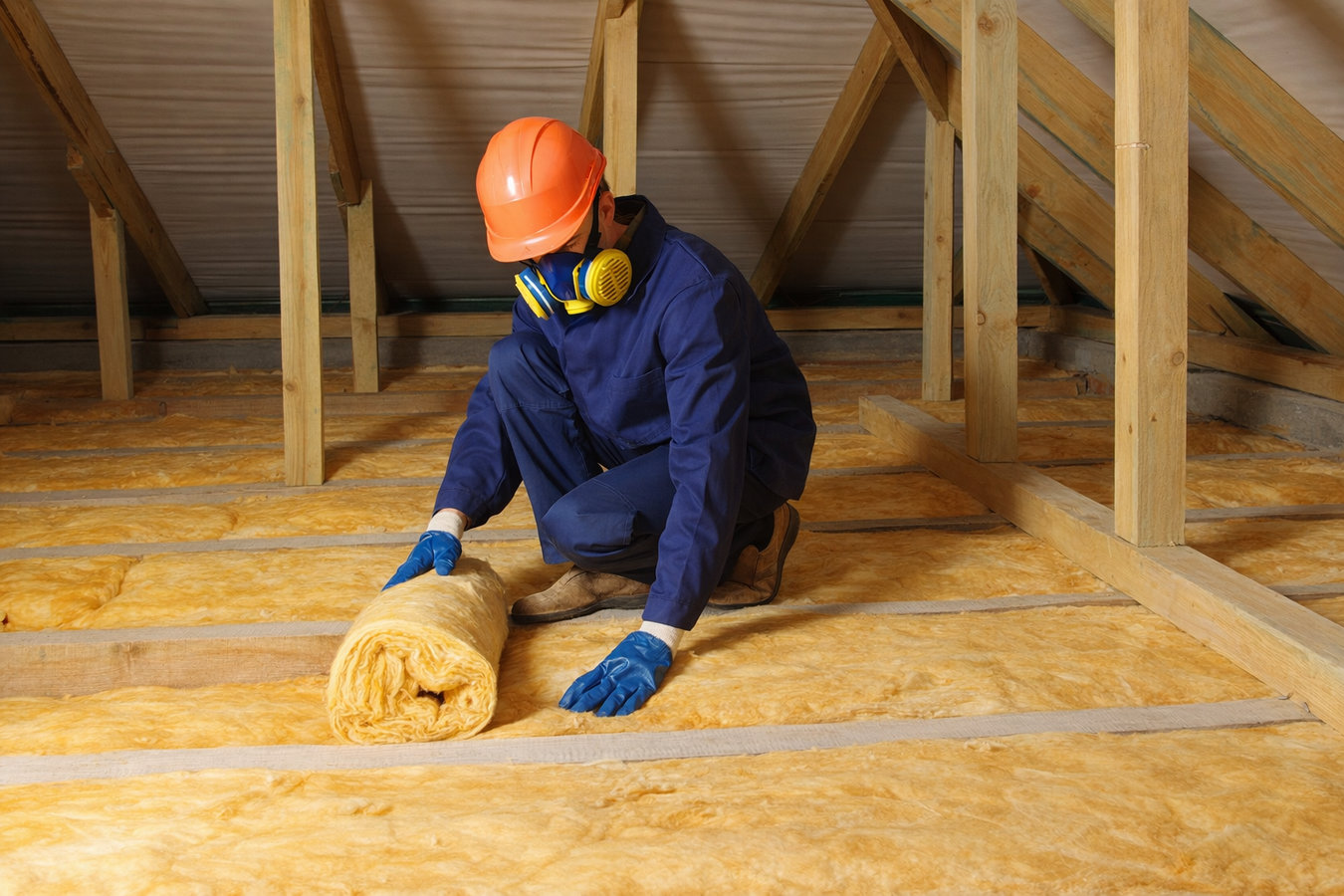
Indio Insulation is an insulation contractor serving Palm Desert, CA with home insulation, attic insulation, and spray foam for the gated communities, retirement properties, and 1970s-to-2000s ranch homes throughout the city. We have served Coachella Valley homeowners since 2022, and we understand the permit requirements, HOA considerations, and seasonal-resident scheduling that Palm Desert properties often require.
Palm Desert homes built between the 1970s and the 1990s are now reaching the age where original insulation has settled, degraded, or was simply never adequate for desert conditions. A whole-home insulation assessment covers the attic, walls, and any crawl space in one coordinated visit rather than addressing each area separately. For high-value Palm Desert properties where quality matters, our home insulation service is designed to deliver lasting performance, not just a quick top-up.
Palm Desert regularly sees summer temperatures above 110°F, and the attic of a low-profile ranch home or condo unit can reach temperatures far exceeding that on peak afternoons. Many of the gated community homes in the city - from Sun City Palm Desert to the golf course neighborhoods near Cook Street - were built in the 1980s and 1990s with flat or low-pitched roofs that absorb heat all day. Upgrading attic insulation to today's recommended depth for desert climates is one of the most direct ways to reduce that heat load.
Palm Desert's low humidity and intense UV exposure dry out caulk and sealants faster than almost anywhere else in California, and the seasonal dust storms that come through the valley push fine grit into attic penetrations every year. Spray foam addresses air sealing and insulation in a single application, making it well-suited to Palm Desert homes where caulking failures are common and where seasonal residents need a solution that holds up without annual maintenance. It is also the preferred option in condo complexes where disturbing finished surfaces is not viable.
For Palm Desert homeowners who want the most cost-effective attic upgrade without disrupting finished surfaces, blown-in fiberglass or cellulose installs quickly and covers the full attic floor evenly. It is well-matched to the 1980s and 1990s ranch homes common throughout the city, where existing partial insulation can be topped up to the required depth in a single visit. Blown-in also handles the irregular framing common in older Palm Desert tracts without leaving the bare spots that batt installation tends to create.
The seasonal dust storms and high winds common in Palm Desert push outdoor air through every unsealed gap in the building envelope, bringing fine grit and heat with them. Air sealing is especially important in older Palm Desert condos and townhomes where shared walls and ceilings create multiple leakage pathways. Closing those gaps before new insulation goes in is the step that makes the difference between an insulation job that performs well and one that still leaves rooms hot despite higher R-values.
Palm Desert's significant condo and townhome stock, much of it built in resort-style complexes during the 1980s and 1990s, often has finished walls and ceilings that rule out conventional installation methods. Retrofit insulation techniques allow us to improve wall and ceiling performance in these properties without tearing into finished surfaces, which matters in units governed by HOA rules about interior modifications. We work with property managers and homeowners alike to find the least disruptive upgrade path.
Palm Desert was incorporated in 1973, and almost all of its housing was built in the decades that followed. Homes from the 1970s through the 1990s now represent the core of the city's residential stock, and they share a common problem: original insulation installed to standards that were considered adequate at the time but fall well short of what today's desert conditions demand. The combination of low annual rainfall, around 3 to 4 inches per year, and intense UV exposure degrades exterior caulk, paint, and sealants faster than in almost any other California climate. As those materials fail, air leakage increases, and the insulation that remains works harder against a less sealed envelope.
A distinctive feature of Palm Desert is its high concentration of gated communities, many built around golf courses. Communities like Sun City Palm Desert and Desert Falls represent large blocks of homes that were built together during the same era, which means insulation upgrades in these communities tend to be needed across entire neighborhoods at the same time. HOA rules in many of these developments also affect what exterior work can be done and what materials are permitted, which requires contractors who are familiar with working inside those frameworks.
The city's large seasonal-resident population adds another dimension. A significant share of Palm Desert homeowners spend the summer away and return in the fall, leaving homes to sit empty through the most brutal heat months. When those homeowners return, they are dealing with the accumulated effect of a summer of extreme heat on a home that nobody was checking. Insulation that was already marginal before the summer can be noticeably worse by October, and owners who are not on-site cannot see it happening.
We have been working throughout Palm Desert since 2022, and our team is familiar with the permit and approval process at the City of Palm Desert Building Permits office. We also regularly coordinate with HOA management companies for gated community properties, which means we can navigate the approval and scheduling requirements those communities impose without putting that burden on the homeowner.
Palm Desert sits near the center of the valley, bordered by Rancho Mirage to the west and Indian Wells to the east. The city functions as a retail hub for the mid-valley, and residents move easily between El Paseo, Cook Street, and the communities along Portola Avenue and Frank Sinatra Drive. We work throughout all of these neighborhoods and understand that the conditions in a condo near The Living Desert are different from those in a large single-family home in a golf course community on the city's east side.
Homeowners on the eastern edge of Palm Desert, near the Indian Wells border, will find that our work in neighboring La Quinta reflects the same gated-community and desert-heat conditions they deal with. For homeowners on the northwest side of Palm Desert, closer to Rancho Mirage and Cathedral City, our work in Cathedral City is a useful reference for the older housing stock and ranch-home conditions common in that part of the valley.
Call or submit a request online. We will ask a few questions about your home, its age, and what has prompted your call. We respond within 1 business day and can accommodate scheduling requests from seasonal residents who are not currently in Palm Desert, including jobs scoped before the owner returns in fall.
We inspect your attic and relevant spaces in person, measure current insulation depth, check for air leaks, and assess ventilation. The visit takes 30 to 60 minutes and results in a written estimate. We address cost at this stage, including whether your project is likely to qualify for a Southern California Edison rebate, so you know what the real out-of-pocket number looks like before committing.
The crew arrives with agreed materials, sets up protective coverings, air-seals gaps first, then installs insulation to the specified depth. You do not need to leave your home. Most Palm Desert single-family homes are completed in one day. For HOA properties, we have already confirmed access and scheduling with the property manager before the crew arrives.
Before leaving, we walk you through the completed work and provide written documentation of what was installed and the depth achieved. This record supports any SCE rebate claim and is useful for permit files or future resale documentation. Seasonal residents who were not on-site receive photos and a written summary by email.
We offer free in-home insulation assessments throughout Palm Desert, including for seasonal residents. Call us or submit a request online and we will respond within 1 business day.
(442) 215-3507Palm Desert was incorporated in 1973 and grew quickly into one of the Coachella Valley's larger cities, with a population of roughly 54,000 that swells considerably when seasonal residents arrive in fall. The city sits near the center of the valley, bordered by Rancho Mirage to the west and Indian Wells to the east, and serves as the mid-valley's primary retail and dining destination. El Paseo, the city's main upscale shopping corridor, is a well-known local landmark. The city's housing stock ranges from modest townhomes and condos to large single-family homes in gated golf course communities, and a significant share of residents are retirees or seasonal occupants.
The residential landscape in Palm Desert is shaped heavily by its gated communities, many of which were developed in the 1980s and 1990s. Sun City Palm Desert is one of the largest active-adult communities in California, and there are dozens of other HOA-governed developments throughout the city. The housing stock in these communities is architecturally consistent - mostly single-story stucco homes with tile roofs and private pools - and is now reaching the age where roofing, insulation, and exterior systems require meaningful attention. Condos and resort-style complexes, many built in the same era, present different insulation challenges because of shared walls and restricted access to building cavities.
Homeowners in the western part of Palm Desert, near the Rancho Mirage border, are geographically close to our service area in La Quinta, where similar gated-community and desert-heat conditions exist in the newer residential developments south of Highway 111. The insulation challenges in both communities are rooted in the same climate and the same generation of construction, making the work we do in each area directly applicable to the other.
Spray foam creates an air-tight seal that dramatically cuts heating and cooling costs.
Learn moreProper attic insulation keeps conditioned air inside and desert heat outside.
Learn moreBlown-in insulation fills gaps and irregular spaces evenly for consistent coverage.
Learn moreSafe removal of old, damaged, or contaminated insulation before a fresh install.
Learn moreInsulating the crawl space reduces moisture issues and floor-level temperature swings.
Learn moreWall insulation quiets noise transfer and keeps indoor temperatures stable.
Learn moreAir sealing closes the gaps that let conditioned air escape and allergens enter.
Learn moreBasement insulation prevents cold floors and moisture-related energy loss.
Learn moreClosed-cell foam offers the highest R-value per inch and doubles as a vapor barrier.
Learn moreOpen-cell foam provides excellent sound dampening and flexible coverage.
Learn moreSealing attic penetrations stops the stack effect that drives up energy bills.
Learn moreA vapor barrier blocks ground moisture from entering your living space.
Learn moreProfessional vapor barrier installation protects walls, floors, and foundations.
Learn moreCommercial insulation solutions for offices, warehouses, and multi-unit buildings.
Learn moreServing these cities and communities.
Whether your Palm Desert home is in a gated community or a standalone property, we provide free estimates and handle HOA coordination so the process is straightforward from the first call.