
Loading...
Serving Indio, CA and surrounding areas. (442) 215-3507
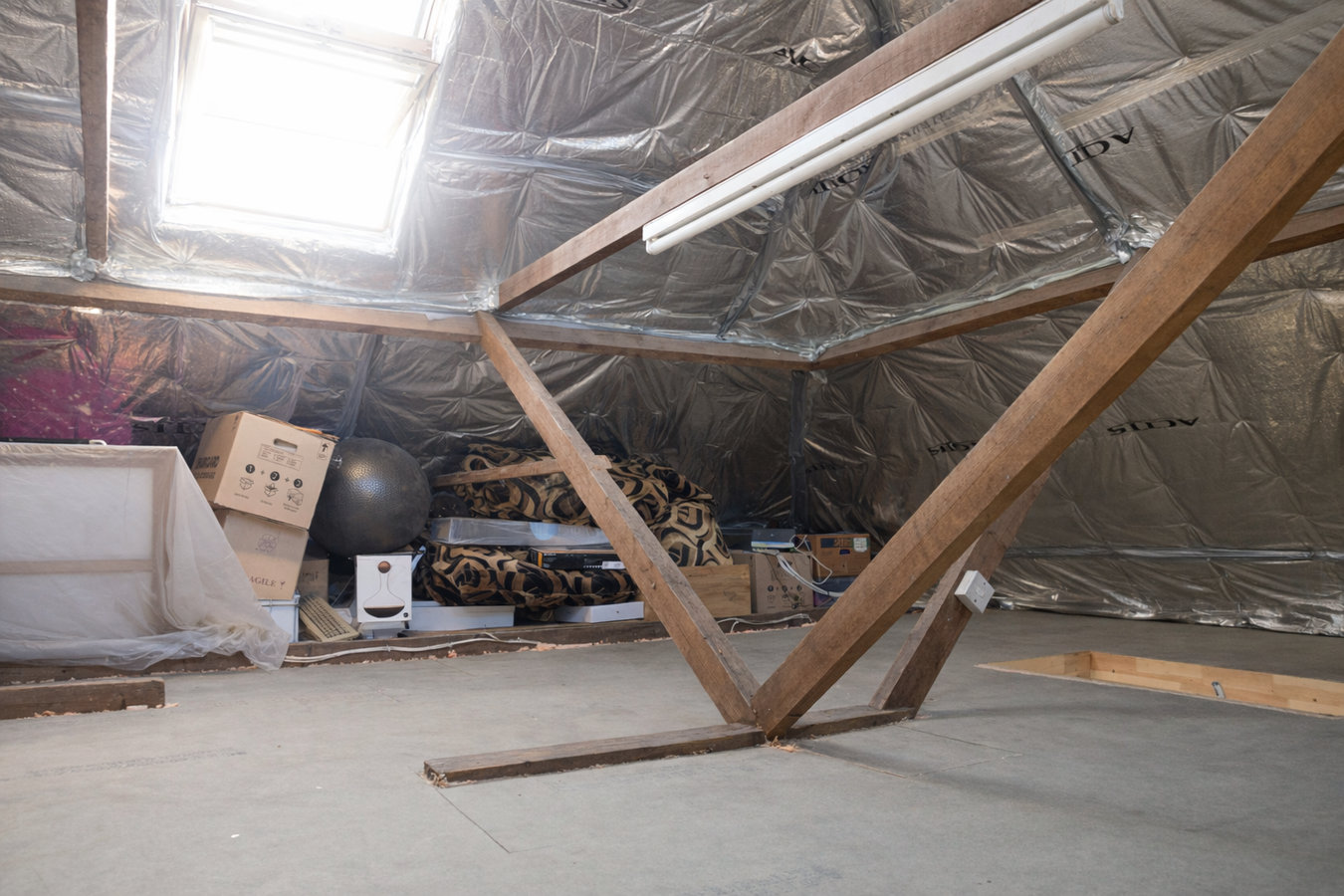
Indio Insulation is an insulation contractor serving Cathedral City, CA with attic insulation, blown-in insulation, and spray foam for the single-story ranch homes, stucco-exterior properties, and rental units that make up most of this city. We have served Coachella Valley homeowners since 2022, and our crew handles permit coordination directly with the Cathedral City Building and Safety Division.
Cathedral City's housing stock is overwhelmingly single-story ranch construction from the 1970s through the 1990s, and attic insulation in those homes was installed to standards that fell short of what today's desert climate demands. Attic temperatures here regularly top 150°F on summer afternoons, pressing heat through the ceiling for hours even after the sun goes down. If your utility bills spike hard every June and your home struggles to stay comfortable, our attic insulation service addresses the problem at its source.
The older tract homes near Date Palm Drive often have irregular framing and partial insulation coverage that makes blown-in the most practical upgrade option. Blown-in material fills around obstacles without leaving bare spots, which matters in attics where decades of windblown desert dust have compressed the original loose fill. It installs quickly, covers the full attic floor evenly, and can bring an under-insulated Cathedral City home up to the depth required for this climate zone in a single day.
Cathedral City's temperature swings between hot days and cold winter nights cause stucco and framing to expand and contract repeatedly, opening small gaps around pipes, wiring, and attic penetrations over the years. Spray foam seals those gaps while insulating at the same time, making it particularly useful in properties where air leakage is a known problem. For landlords managing rental units in the city's large rental stock, spray foam is a durable solution that holds up without sagging or compressing.
The powerful wind events that funnel through the San Gorgonio Pass drive outside air through every unsealed gap in a home's envelope. In Cathedral City, where many homes have older caulking and stucco that has cracked over decades of heat cycling, air leakage can account for a significant portion of cooling loss. Air sealing closes the gaps around recessed lights, attic hatches, and plumbing penetrations before new insulation goes in, which is the step most contractors skip and the reason many insulation jobs still underperform.
Many Cathedral City homes built in the 1970s and 1980s have original insulation that has been contaminated by decades of desert dust infiltration, pest activity, or moisture from rare but intense monsoon rain events. Laying new material over a compromised base is money wasted. We remove and dispose of degraded insulation completely before any new installation begins, which is the only way to ensure the upgraded performance you are paying for.
Cathedral City's newer developments along the southern edge of the city, built in the 2000s and 2010s near the base of the Santa Rosa Mountains, present a different insulation challenge than the older core neighborhoods. These homes often have finished walls and sealed attic assemblies that require retrofit techniques to upgrade without tearing into finished surfaces. We work in both the older and newer parts of the city and bring the right approach for each.
Cathedral City sits in a bowl formed by the Santa Rosa Mountains to the south and the San Jacinto Mountains to the west, which traps summer heat and channels strong seasonal winds through the valley. Triple-digit days run from June through September, with highs regularly exceeding 110°F. Most of the city's roughly 55,000 residents live here year-round, not seasonally, which means homes get used hard through every brutal summer rather than sitting empty while the heat builds up. That sustained occupancy demand puts real pressure on insulation systems that were already installed to outdated standards.
The majority of Cathedral City's housing was built between the 1970s and the 1990s during the Coachella Valley's rapid growth period. Homes from that era are now 30 to 50 years old, and their original insulation has had decades of desert heat, windblown dust, and temperature cycling to degrade it. The compressed insulation in a 1985 ranch home near Date Palm Drive is not delivering anything close to its original R-value. Upgrading is not a luxury; it is catching up to what the climate has always demanded.
Cathedral City also has a higher share of rental properties than many neighboring cities, with roughly half of its housing units occupied by renters. Landlords in this market face the same insulation problem as owner-occupants, plus the added reality that tenants running HVAC systems at full load all summer accelerates wear on everything. Whether the property is owner-occupied, rented, or owner-occupied with a stucco exterior that has been cracking and resealing for forty years, the insulation challenge is the same: not enough depth and too many air leaks.
Our crew has been working throughout Cathedral City since 2022 and coordinates permit filings directly with the Cathedral City Building and Safety Division. We are familiar with the permitting process for residential insulation projects here and know which scope types typically require a permit and which do not. That familiarity shortens the scheduling process and avoids surprises on the day work is supposed to start.
The two sides of Cathedral City present noticeably different conditions. Older neighborhoods near Date Palm Drive and the city's commercial core are dense with 1970s-to-1980s tract homes on slab foundations, many with pool decks and low-pitched roofs that absorb heat all day. The southern part of the city, closer to the Santa Rosa Mountains, has larger homes built in the 2000s with tile roofs and different attic configurations. We work in both areas regularly and bring the right material and method for each.
Homeowners in Cathedral City who want to compare notes on insulation contractors in the area can also look at work we do in neighboring Palm Desert, where similar 1980s and 1990s housing stock presents many of the same attic insulation challenges. For homeowners on the northwestern end of Cathedral City, closer to the Palm Springs city limit, our work in Palm Springs is also relevant context.
When you reach out, we ask a few quick questions about your home, its age, and what problems you have noticed. We respond within 1 business day and can usually schedule an in-home visit within the week, including for rental properties where the landlord is coordinating on behalf of a tenant.
We inspect your attic in person, measure current insulation depth, check for air leaks and any signs of pest or moisture damage, and assess ventilation. The visit takes 30 to 60 minutes. You receive a written estimate before any commitment is made, and we flag whether your project is likely to qualify for an SCE rebate so cost anxiety is addressed upfront.
The crew arrives with the agreed materials, lays protective coverings near the attic access, seals air gaps first, then installs insulation to the specified depth. You do not need to leave your home. Most Cathedral City single-story homes are completed in one day, and the crew cleans up the work area before leaving.
Before we leave, we walk you through what was done and hand you written documentation of the insulation type installed and the depth achieved. This record is useful for SCE rebate applications and for future reference if you sell the home or need to pull a permit for a later renovation.
We serve Cathedral City homeowners with free in-home estimates and no-pressure consultations. Call us or submit a request online and we will get back to you within 1 business day.
(442) 215-3507Cathedral City is a city of about 55,000 people sandwiched between Palm Springs to the northwest and Rancho Mirage to the southeast in the heart of the Coachella Valley. It is one of the more densely populated cities in the valley, with a working-class and middle-income character distinct from the resort communities on either side of it. The city's main commercial corridor runs along Date Palm Drive, and most residential neighborhoods radiate outward from that spine. The Cathedral Canyon Country Club area is one of the city's better-known residential communities.
The housing stock divides roughly into two eras. The older core neighborhoods were built during the valley's rapid growth period between the 1970s and the 1990s, when single-story stucco ranch homes on slab foundations were the standard build. These homes tend to have low-pitched or flat roof sections, attached garages, and backyard pools, and they now range from 30 to 50 years old. The newer neighborhoods along the city's southern edge, near the base of the Santa Rosa Mountains, were built in the 2000s and 2010s with larger footprints, tile roofs, and higher-end finishes. The insulation needs of these two groups are different, and a contractor who does not recognize that will often recommend the wrong approach.
For homeowners in the southeast part of Cathedral City, close to the Rancho Mirage border, our work in Palm Desert is a useful reference for the type of work we do in gated and HOA-governed communities throughout the mid-valley. The conditions on that side of the city, where the Santa Rosa Mountains create afternoon shade and the housing stock tilts newer, are not identical to those in Cathedral City's older core, but the insulation fundamentals for hot desert climates are consistent across both areas.
Spray foam creates an air-tight seal that dramatically cuts heating and cooling costs.
Learn moreProper attic insulation keeps conditioned air inside and desert heat outside.
Learn moreBlown-in insulation fills gaps and irregular spaces evenly for consistent coverage.
Learn moreSafe removal of old, damaged, or contaminated insulation before a fresh install.
Learn moreInsulating the crawl space reduces moisture issues and floor-level temperature swings.
Learn moreWall insulation quiets noise transfer and keeps indoor temperatures stable.
Learn moreAir sealing closes the gaps that let conditioned air escape and allergens enter.
Learn moreBasement insulation prevents cold floors and moisture-related energy loss.
Learn moreClosed-cell foam offers the highest R-value per inch and doubles as a vapor barrier.
Learn moreOpen-cell foam provides excellent sound dampening and flexible coverage.
Learn moreSealing attic penetrations stops the stack effect that drives up energy bills.
Learn moreA vapor barrier blocks ground moisture from entering your living space.
Learn moreProfessional vapor barrier installation protects walls, floors, and foundations.
Learn moreCommercial insulation solutions for offices, warehouses, and multi-unit buildings.
Learn moreServing these cities and communities.
If your Cathedral City home was built before 2000 and has never had an insulation upgrade, there is a good chance it is underperforming in this desert climate. Call us or request a free estimate online.