
Loading...
Serving Indio, CA and surrounding areas. (442) 215-3507
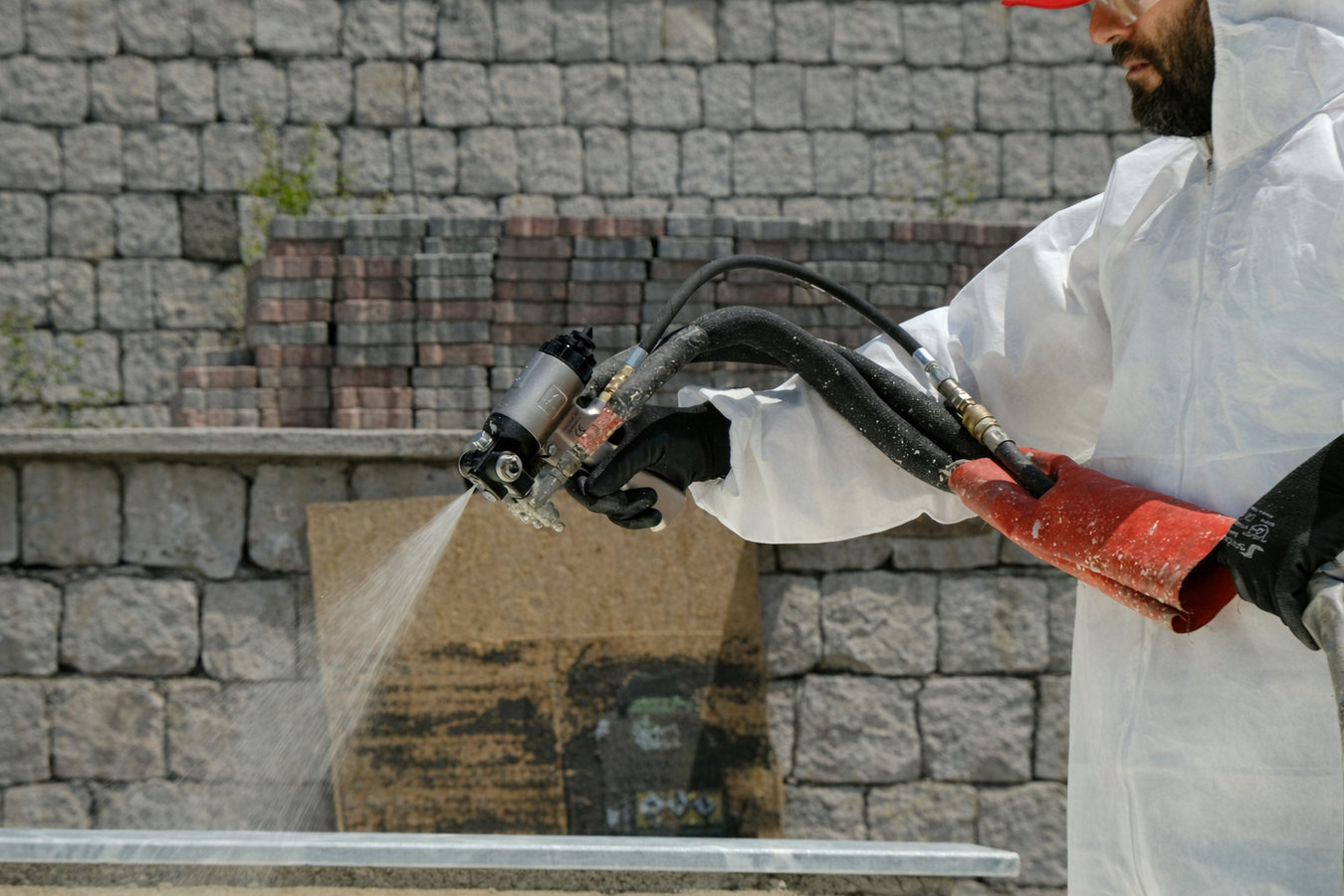
Indio Insulation provides spray foam insulation, attic insulation, and air sealing services throughout Palm Springs, CA, including mid-century modern homes, condo communities, and vacation rental properties. We have served the Coachella Valley since 2022 and respond to every estimate request within 1 business day.
Palm Springs homes experience one of the most demanding UV and heat environments in the country, which means building materials expand and contract constantly, opening air gaps over time. Spray foam addresses both the insulation and air sealing problem in a single application. For the mid-century modern homes that define neighborhoods like Movie Colony and Old Las Palmas, our spray foam insulation service is particularly effective for flat and low-slope roof decks where traditional batt insulation does not perform well.
Many of Palm Springs' conventional single-family homes in areas like Deepwell Estates and the Movie Colony East tract were built between the late 1950s and 1970s, a period when insulation standards were far below what California requires today. The original insulation in these homes is often 50 years old or more, and it may have been compressed, contaminated by dust, or simply never thick enough for the Coachella Valley. Upgrading to the depth recommended for this climate zone is one of the most direct ways to reduce summer cooling costs and evening heat soak.
For Palm Springs homes with irregular framing or partial existing insulation, blown-in loose-fill material fills odd-shaped cavities and tight corners more evenly than rolled batts. This is especially practical in older homes near Palm Canyon Drive where the attic framing does not follow a standard modern layout. Blown-in is also a cost-effective option when the goal is to bring attic depth up to current standards without removing existing material that is still in acceptable condition.
Palm Springs nights can drop into the low 30s in winter, and summer days regularly hit 110°F. That daily temperature swing - over 70 degrees in some seasons - creates a constantly pressurized building envelope where air is always trying to move through gaps. In homes with condo associations, shared walls create additional penetration points that individual owners often overlook. Proper air sealing before any insulation installation is what separates jobs that perform well from jobs that disappoint.
Palm Springs has one of the most concentrated collections of original mid-century modern homes in the country, and many owners want insulation upgrades without compromising the character or structure of the building. Retrofit insulation approaches - including injection foam through small access ports and blown-in through targeted openings - allow us to improve performance in walls and ceiling cavities without full demolition, which matters greatly in architecturally significant homes.
Homes built in the 1940s through 1970s - the majority of Palm Springs' single-family stock - may have original insulation that has never been replaced. Over five decades, that material can be compressed, contaminated by dust from the desert environment, or damaged by the rare but intense monsoon storms that push moisture into poorly ventilated attics. Full removal before reinstallation ensures new material performs at its rated value from day one.
Palm Springs is one of the most architecturally specific cities in California. A large share of its housing stock consists of flat-roof or very low-pitched mid-century modern homes, built primarily between the 1940s and 1970s, with post-and-beam construction, large glass walls, and ceiling designs that bear no resemblance to a standard California tract home. Insulation strategies that work well in a conventional attic may not apply here at all, and a contractor who does not understand the difference can easily install material in the wrong location or skip steps that are critical for flat-roof buildings.
Palm Springs also has a seasonal occupancy dynamic unlike most residential markets. The year-round population of about 44,000 swells significantly in winter and spring when snowbird residents and visitors arrive. A large portion of properties are second homes or short-term rentals that sit vacant during the hottest summer months. Homes left empty in 110°F heat undergo the same degradation cycle as occupied homes - caulk fails, seals crack, and insulation that was marginal when the home was occupied becomes clearly inadequate after a season of thermal cycling without anyone there to notice the symptoms.
Southern California Edison serves Palm Springs, and qualifying insulation upgrades may be eligible for utility rebates. California's energy standards also apply to insulation work done as part of renovations, which matters for the many Palm Springs homeowners who are restoring or updating older properties. Documented, permitted work protects you in a city where buyers increasingly ask about utility costs and energy performance before making offers.
Our crew works throughout the Coachella Valley, and Palm Springs is a regular stop. We are familiar with the City of Palm Springs Building and Safety Department permit process and handle permit coordination directly on jobs that require it. We work in single-family homes, condo associations, and vacation rental properties - each presents different access and scheduling requirements, and we ask about those details during the estimate so there are no surprises on installation day.
Palm Springs has distinct neighborhoods with meaningfully different housing stock. The homes in Old Las Palmas and the Movie Colony are larger, often custom-designed, and sit on generous lots. The Mid-Valley and Deepwell Estates areas have smaller mid-century tract homes that are architecturally consistent but vary in condition. South Palm Springs and areas near downtown have a high concentration of condo and townhome complexes, many built in the 1970s and 1980s, where HOA coordination is part of every job. Palm Canyon Drive, the main corridor through the city, sits between these neighborhoods and is a useful reference point when describing where a property is located.
The neighboring city of Cathedral City borders Palm Springs to the east and has a similar mix of older single-family homes alongside newer residential development. We serve both cities on the same project schedule. Homeowners in the western end of the valley near Desert Hot Springs, just north of Palm Springs, are also within our service area.
We respond within 1 business day. A team member will ask a few questions about your home - whether it has a conventional attic or a flat roof, how old the home is, and what problems you have noticed. This helps us show up to the estimate prepared.
We inspect the attic or ceiling cavity, check current insulation levels, and identify any air sealing needs or problem areas. For flat-roof homes, we will assess the best application location for your specific construction type. You receive a written estimate before committing to anything. Cost questions are answered directly during this visit.
Most Palm Springs homes are completed in a single day. You do not need to leave during the work. For vacation rentals or second homes, we can coordinate access with property managers or key holders. HOA approval requirements are discussed during the estimate, not the morning of the job.
We provide written documentation of what was installed before we leave. If a permit inspection is required, we coordinate it with the City of Palm Springs Building and Safety Department on your behalf. You do not need to be present for the inspector's visit.
We serve all of Palm Springs, CA, including mid-century modern homes, condo associations, and vacation rentals. We respond within 1 business day and there is no obligation when you request an estimate.
(442) 215-3507Palm Springs sits at the western gateway of the Coachella Valley, at the base of the San Jacinto Mountains, and draws visitors via the Palm Springs Aerial Tramway, which carries riders from the desert floor up to the summit of Mount San Jacinto in about ten minutes. The city has a year-round population of roughly 44,000 but is well known for its seasonal swings - the winter and spring months bring snowbird residents, visitors attending Modernism Week, and travelers from across the country, while summers are much quieter. The city is one of the most concentrated collections of mid-century modern residential architecture in the United States, with thousands of homes built between the late 1940s and early 1970s in neighborhoods like Old Las Palmas, Movie Colony, and Vista Las Palmas.
The housing stock in Palm Springs is highly varied across its neighborhoods. Old Las Palmas and the Movie Colony are known for large, custom homes on generous lots, many with original architectural significance. The Deepwell Estates and Movie Colony East areas have smaller mid-century tract homes built on modest lots that were developed in the 1950s and 1960s. South Palm Springs and the area around downtown have a substantial supply of condo and townhome communities dating from the 1970s and 1980s, many of which are managed by HOAs and used as short-term rentals or second homes. Properties with in-ground pools and large outdoor living areas are nearly universal in the single-family sector. Palm Canyon Drive is the central street linking most of these neighborhoods through the city.
The neighboring city of Cathedral City shares the Palm Springs border to the east and has a large residential population with a mix of newer single-family homes and older properties. Both cities are within our regular service area and share the same desert climate challenges that make proper insulation so important for homeowner comfort and energy costs.
Spray foam creates an air-tight seal that dramatically cuts heating and cooling costs.
Learn moreProper attic insulation keeps conditioned air inside and desert heat outside.
Learn moreBlown-in insulation fills gaps and irregular spaces evenly for consistent coverage.
Learn moreSafe removal of old, damaged, or contaminated insulation before a fresh install.
Learn moreInsulating the crawl space reduces moisture issues and floor-level temperature swings.
Learn moreWall insulation quiets noise transfer and keeps indoor temperatures stable.
Learn moreAir sealing closes the gaps that let conditioned air escape and allergens enter.
Learn moreBasement insulation prevents cold floors and moisture-related energy loss.
Learn moreClosed-cell foam offers the highest R-value per inch and doubles as a vapor barrier.
Learn moreOpen-cell foam provides excellent sound dampening and flexible coverage.
Learn moreSealing attic penetrations stops the stack effect that drives up energy bills.
Learn moreA vapor barrier blocks ground moisture from entering your living space.
Learn moreProfessional vapor barrier installation protects walls, floors, and foundations.
Learn moreCommercial insulation solutions for offices, warehouses, and multi-unit buildings.
Learn moreServing these cities and communities.
We serve all of Palm Springs, CA and the surrounding Coachella Valley. Free estimates, local crew, permits handled for you.