
Loading...
Serving Indio, CA and surrounding areas. (442) 215-3507
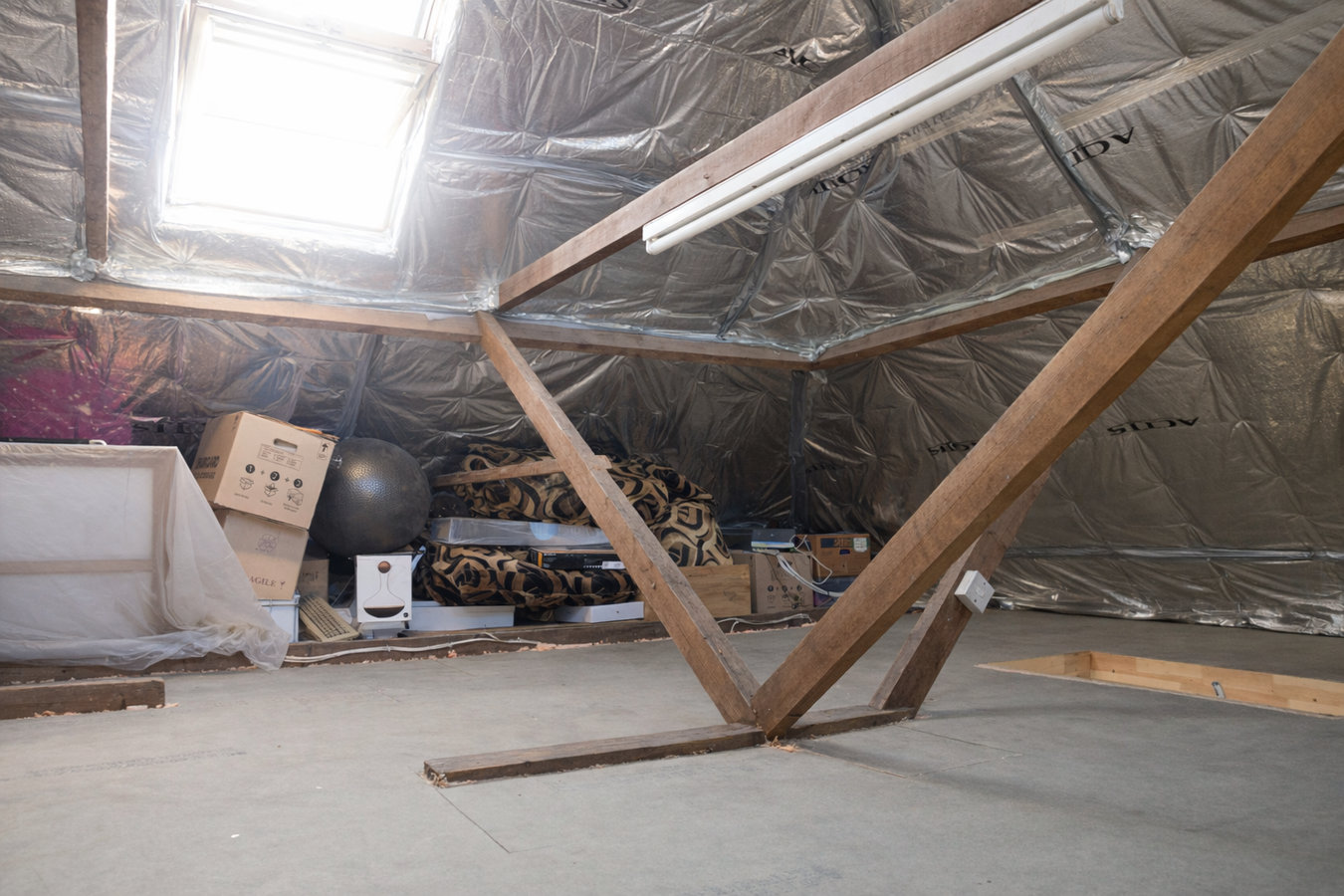
Indio attics can reach 150°F in summer. Proper attic insulation cuts that heat before it radiates through your ceiling all afternoon - and keeps your AC from running nonstop.
Attic insulation in Indio, CA acts as a thick thermal barrier between your living space and the extreme heat that builds up in your roof - most standard single-family jobs are completed in a single day. The Coachella Valley's sustained heat, with attic temperatures regularly exceeding 150°F on summer afternoons, means that thin or aging insulation leaves your ceiling radiating warmth into your home for hours after sunset. No amount of air conditioning fully compensates for a poorly insulated attic in this climate.
A large share of Indio's housing stock was built between the 1970s and 1990s, when energy standards were much lower than they are today. If your home was built before 2000, your attic insulation has likely never been upgraded - and it may be performing at a fraction of what current standards require. Desert dust compounds the problem by compressing older insulation over time, reducing its effectiveness even when it still appears to be present.
For homes where air leaks are as much of a problem as insulation depth, we often pair attic insulation with attic air sealing to close gaps around recessed lights, plumbing penetrations, and framing bypasses before any new insulation goes in.
In Indio, a poorly insulated attic absorbs heat all day and releases it into your living space through the evening. If your air conditioner runs constantly through the night without your home feeling comfortable, your attic is likely the source. A well-insulated home cools down quickly once the outside temperature drops.
Indio homeowners already pay some of the highest cooling bills in California, but there is a difference between high and unusually high. If your summer bills are significantly out of step with neighbors who have similarly sized homes, thin or degraded attic insulation is one of the first factors worth checking. Heat entering through the ceiling is one of the biggest drivers of cooling costs in desert climates.
Open your attic hatch and look in with a flashlight. If you can clearly see the wooden framing boards running across the attic floor, your insulation is too thin for Indio's climate. Those boards should be completely buried. Visible joists are one of the clearest and easiest-to-confirm signs that your home is losing the battle against summer heat.
Uneven insulation coverage is common in older homes, especially where blown-in material has settled or where batts were cut short around obstructions. If one bedroom or the hallway near your attic hatch is noticeably warmer than the rest of your home, heat is entering unevenly from above. In Indio's climate, even a modest gap in coverage can make a room feel significantly less comfortable.
Indio Insulation installs blown-in loose-fill and fiberglass batt insulation in residential attics throughout the Coachella Valley. Our most common application is blown-in cellulose or fiberglass, which we install over your existing attic floor after completing all required air sealing. Blown-in material fills every corner and works around irregular framing common in homes built during the 1970s through 1990s, giving you consistent coverage across the entire attic floor rather than gaps around pipes and framing members.
Air sealing is included as part of every attic insulation job, not treated as an optional add-on. Before any insulation goes in, we close gaps around recessed light fixtures, plumbing stacks, wiring penetrations, and framing bypasses. Skipping this step is the most common shortcut in the industry, and it means heat and cooled air keep moving freely through your ceiling even after new insulation is installed. We pair our attic work with blown-in insulation options for homeowners who want a standalone blown-in project with detailed depth specifications.
For homes where air leaks are a primary concern alongside insulation depth, we offer dedicated attic air sealing as a standalone service - particularly useful before adding insulation in older homes with significant penetration gaps.
Best for older homes with irregular framing and tight corners. Fills every gap evenly and is the most commonly recommended option for Indio attics.
Suited to attics with consistent, evenly spaced framing. Pre-cut and installed between joists for a clean, uniform finish on new or recently renovated homes.
The standard for older Indio homes. Closes bypasses and penetrations first, then installs insulation to the depth your home needs to meet current energy standards.
For homes that already have some insulation but fall short of current recommendations. We add depth on top of existing material where conditions allow.
Indio sits at the eastern end of the Coachella Valley in one of the hottest climate zones in the United States. Summer temperatures regularly exceed 115°F, and attic temperatures can climb well above 150°F on a peak afternoon. That heat load means your insulation needs to be significantly thicker than what homes were built with decades ago, and it means the quality of the installation matters more than it would in a milder California market. Insulation that would be adequate in San Diego or the Bay Area falls well short of what Indio homes actually need.
The Coachella Valley is also known for high levels of windblown dust and particulate matter, which works into attic spaces over time and compresses insulation. Material that looks present when you peer into the attic may have lost much of its thermal resistance. If your insulation has never been inspected or has not been looked at in several years, it is worth having it evaluated before assuming it is still performing as intended.
We serve homeowners across Indio and the surrounding valley, including La Quinta, Palm Desert, and Coachella. Fall and early winter are the best time to schedule this work - cooler attic conditions make for a safer installation, and your home will be ready before the heat arrives in May.
We respond within 1 business day. A team member will ask about your home's age, size, and any comfort issues you have noticed. No phone quotes - we need to see the attic before giving you a number.
We visit your home and inspect the attic in person: measure current insulation depth, check for air gaps and ventilation issues, and look at framing conditions. You receive a written estimate before committing to anything.
The crew seals all bypasses and penetrations first, then installs insulation to the agreed depth. Most jobs are completed in a single day. You can be home during the work - the crew operates above your ceiling, not inside your living space.
Before leaving, we walk you through what was done and provide written documentation of the insulation type and depth installed. This record is useful for utility rebate applications and future reference when you sell the home.
We respond within 1 business day - no obligation, no pressure. After you submit, someone from our office will call to schedule a free on-site visit at a time that works for you.
(442) 215-3507We keep clear records of the insulation we install and coordinate any permits a job requires. You get documentation of the work from the first day on the job to the last.
Most contractors either skip air sealing entirely or charge extra for it. We include it on every attic job because insulation that goes in over unsealed gaps is doing a fraction of the work it should. The air sealing step is what separates a complete job from one that will still leave you with comfort problems.
No phone quotes, no vague ranges. Every estimate spells out the insulation type, the depth it will be installed to, and what air sealing work is included. You know exactly what you are paying for before anyone sets foot in your attic. The estimate is free with no obligation.
Both IID and SCE customers in Indio may qualify for utility rebates for insulation upgrades. We provide the documentation you need to submit a rebate claim, and we can point you toward current programs before the job starts so you are not leaving money on the table.
We have completed attic insulation work in homes across 12 Coachella Valley and Inland Empire cities since 2022. Desert conditions - extreme heat, sandy soil, stucco construction, and HOA-governed communities - are what we work in every day. ENERGY STAR recommends air sealing before insulating as the most effective step for reducing home energy use - we follow that guidance on every attic job, regardless of the size of the project.
Standalone blown-in loose-fill installation for attic floors, specified to exact depth and documented for rebate applications.
Learn moreClose the gaps around lights, pipes, and framing before insulation goes in - the step most contractors skip.
Learn moreIndio summers are long - get your home ready before the heat arrives and your energy bills climb.