
Loading...
Serving Indio, CA and surrounding areas. (442) 215-3507
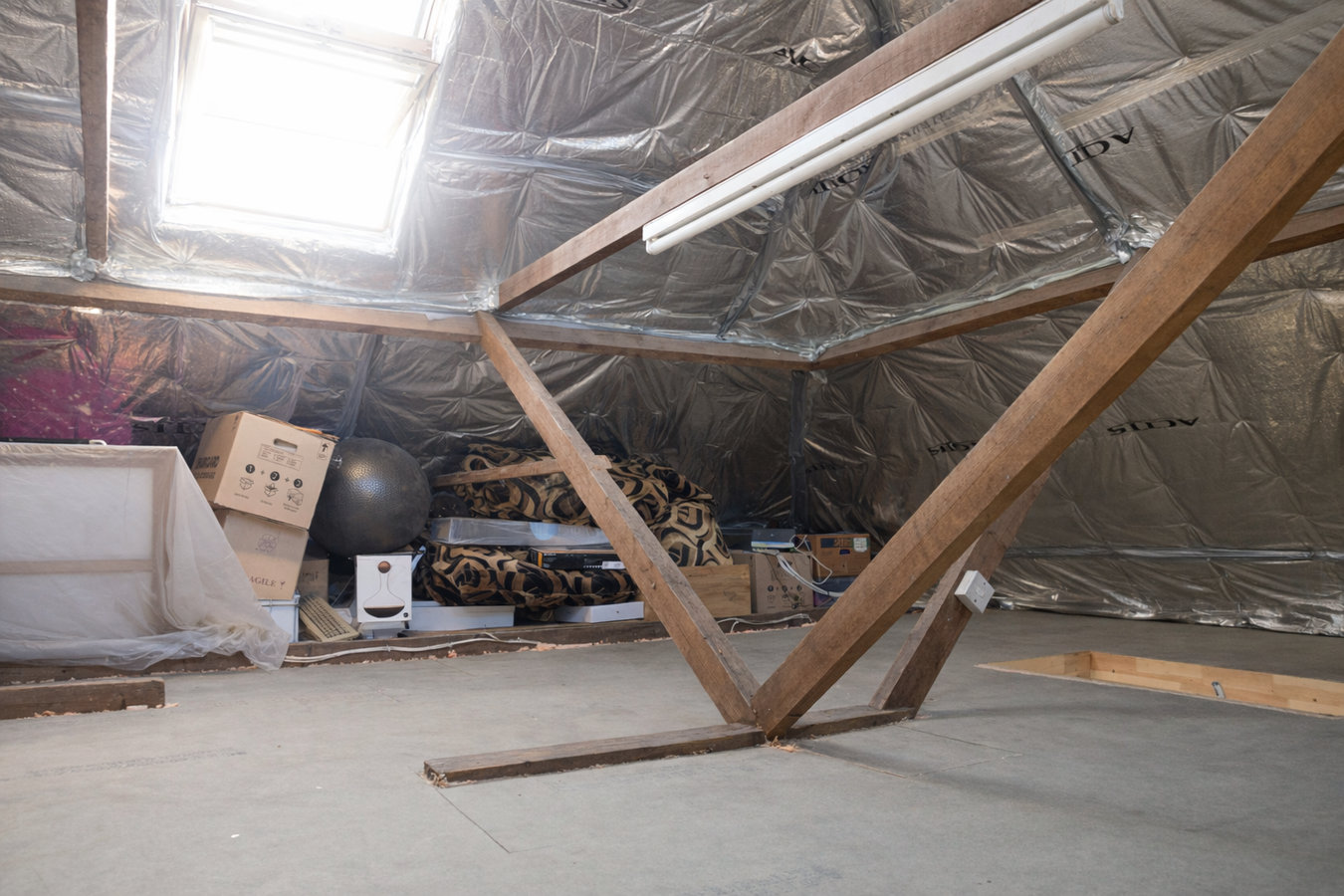
Indio Insulation is an insulation contractor serving Hemet, CA with attic insulation, blown-in upgrades, and air sealing for ranch-style homes built in the 1970s through 1990s, plus newer builds and manufactured housing throughout the San Jacinto Valley. We have served the Coachella Valley and surrounding Inland Empire communities since 2022, and we respond to new inquiries within one business day.
Hemet summers regularly push above 100 degrees Fahrenheit, and the attic is where that heat accumulates before radiating into the living space below. Most ranch homes built in the 1970s and 1980s have attic insulation that has settled to a fraction of its original depth after four or five decades, and the original material was installed to standards well below what California now recommends. Our attic insulation service is typically the highest-return upgrade available to Hemet homeowners dealing with high summer cooling bills.
Blown-in loose-fill is the most practical way to add attic depth to Hemet's single-story ranch homes without disturbing finished ceilings or requiring significant prep work. The material fills around existing framing, electrical runs, and mechanical penetrations, reaching areas that batts cannot cover evenly. For homeowners who are upgrading rather than starting from scratch, blowing additional material on top of existing insulation is faster and less expensive than a full tear-out, provided the existing material is in acceptable condition.
Hemet homes from the 1970s and 1980s were not built with air-tightness in mind. Gaps around recessed lights, top plates, plumbing chases, and attic hatch perimeters are standard in that era of construction, and they have often grown larger over the decades as freeze-thaw cycles and settling work on the building. Sealing these pathways before adding new insulation is what keeps the new material from being bypassed by air moving around it rather than through it.
Wall insulation in a 1970s or 1980s Hemet home is often minimal or inconsistent, added during original construction at a time when energy codes were far less demanding. Retrofit insulation adds material to existing wall cavities through small-diameter holes drilled from the exterior or interior, patched and painted afterward, without requiring a full renovation. For long-term Hemet homeowners who have noticed that certain rooms stay hot well into the evening hours, addressing the walls is usually the next step after the attic has been upgraded.
Original 1970s attic insulation in Hemet homes frequently contains material that is too degraded to build on. Rodent contamination, moisture damage from past roof leaks, and simple age-related compression can all make existing insulation a liability rather than an asset. When removal is warranted, we vacuum and bag the old material, clean the attic floor, and start fresh, which gives the new insulation the best possible foundation and removes the contamination that would otherwise be sealed under the new layer.
A number of Hemet homeowners have owned their homes for 20 years or more and have never had a comprehensive insulation assessment. In a house that old with original insulation throughout, the attic, walls, and any crawl space or utility areas may all be underperforming. A whole-home review identifies where the most heat is escaping and prioritizes work in order of impact, so homeowners with a fixed budget spend it on the improvements that will actually move the needle on their monthly bills.
Hemet sits in the San Jacinto Valley at about 1,600 feet elevation, inland enough that it does not benefit from ocean air or coastal moderation. Summers are genuinely hot, regularly above 100 degrees Fahrenheit from June through September, with air conditioning running nearly around the clock during peak weeks. The valley also sees over 280 sunny days per year, and UV exposure at this elevation breaks down roofing materials, exterior caulk, and stucco coatings at a pace that surprises homeowners who moved from cloudier climates. Most of the damage from UV happens slowly, over years, and is not noticed until a crack becomes a leak.
Unlike most of coastal Southern California, Hemet also sees genuine winter cold. Overnight temperatures drop below 32 degrees Fahrenheit on a regular basis from December through February. Homeowners who moved to Hemet from Los Angeles or Orange County expecting year-round warmth are sometimes caught off-guard by a hard frost. Those freeze-thaw cycles, where temperatures drop below freezing at night and recover during the day, crack stucco, split caulk at window frames, and stress building materials in ways that the mild coast never imposes. The same gaps that matter less in San Diego are real air pathways in Hemet.
The housing stock is older than in many Inland Empire cities. A large share of Hemet's homes were built in the 1970s and 1980s, and the insulation standards from that era reflect a time when energy was cheap and energy codes were minimal. Homes 40 to 50 years old often have settled attic insulation measuring two to four inches in depth, well below the R-38 to R-60 range that California now recommends for this climate zone. The difference between original insulation and a properly upgraded attic in a Hemet home can be 30 to 40 percent of the summer cooling load.
Our team pulls permits through the City of Hemet Building and Safety Division when required and is familiar with the range of property types in the San Jacinto Valley, from site-built ranch homes to manufactured housing communities, which represent a significant share of the Hemet market and require a different approach than stick-built construction. We have worked in neighborhoods across the city and understand that property age, not neighborhood name, is usually the better predictor of what a Hemet attic will look like when we open the hatch.
Highway 74 and Highway 79 are the main corridors through Hemet, and the city is anchored by familiar landmarks including Diamond Valley Lake to the south, which serves as a reservoir and recreation area for the whole San Jacinto Valley, and the Hemet Valley Mall, which has been the central retail hub for the area for decades. We work with homeowners from the older neighborhoods near downtown, the streets near the lake to the south, and the newer developments on the east and northeast sides of the city.
A significant portion of Hemet's residents are retirees on fixed incomes, and we approach estimates accordingly, explaining what we find, what needs to be done first, and what can wait, without pushing work that will not deliver a meaningful return. Beaumont, about 25 miles north, is another area we serve regularly, and many homeowners in the broader San Jacinto Valley region are familiar with our work there.
Tell us about your home and what you have noticed, high summer bills, rooms that stay warm overnight, or a house that has never had an insulation check. We respond within one business day.
A crew member comes to the property, opens the attic, measures existing insulation depth, and checks for air sealing needs and any contamination that would require removal before new material goes in. The written estimate covers everything with no obligation.
We seal attic penetrations and gaps before adding any new insulation. In a 1970s or 1980s Hemet home, there are often dozens of unsealed openings. This step is what ensures the new insulation performs at its rated value rather than being bypassed by air movement.
We check insulation coverage depth across the full attic floor before we leave, confirm the hatch area is clean, and provide documentation of completed work. Useful for utility rebate programs, prospective buyers, or future reference.
We serve all of Hemet, from older ranch neighborhoods near downtown to homes near Diamond Valley Lake. Written quote, no obligation, response within one business day.
(442) 215-3507Hemet is a city of about 90,000 people in the San Jacinto Valley in Riverside County, about 30 miles from Palm Springs and 90 miles east of Los Angeles. It is one of the more affordable homeownership markets in Southern California, which has historically drawn retirees, first-time buyers, and families relocating from higher-cost coastal communities. The city is relatively self-contained, with its own retail, medical, and service economy centered around the Hemet Valley Mall and the broader commercial corridor along Florida Avenue.
The dominant housing type in Hemet is the single-story ranch home, typically stucco-clad on a concrete slab foundation, built in the 1970s or 1980s. These homes are comfortable, practical, and maintenance-intensive in ways that newer construction is not. A large share of the city's housing units are owner-occupied, with many long-term residents who have lived in their homes for two decades or more. Hemet also has a significant number of mobile home parks and age-restricted manufactured housing communities, which serve a large senior population and have different maintenance and insulation needs than site-built homes.
The Ramona Outdoor Play, held every spring in a natural amphitheater in the hills above the city, has run since 1923 and is one of the longest-running outdoor dramas in the United States, well-known to long-time residents. Diamond Valley Lake to the south is Southern California's largest reservoir and a regular destination for fishing and recreation. We serve homeowners across Hemet and in nearby Yucaipa, where the housing stock shares many of the same characteristics.
Spray foam creates an air-tight seal that dramatically cuts heating and cooling costs.
Learn moreProper attic insulation keeps conditioned air inside and desert heat outside.
Learn moreBlown-in insulation fills gaps and irregular spaces evenly for consistent coverage.
Learn moreSafe removal of old, damaged, or contaminated insulation before a fresh install.
Learn moreInsulating the crawl space reduces moisture issues and floor-level temperature swings.
Learn moreWall insulation quiets noise transfer and keeps indoor temperatures stable.
Learn moreAir sealing closes the gaps that let conditioned air escape and allergens enter.
Learn moreBasement insulation prevents cold floors and moisture-related energy loss.
Learn moreClosed-cell foam offers the highest R-value per inch and doubles as a vapor barrier.
Learn moreOpen-cell foam provides excellent sound dampening and flexible coverage.
Learn moreSealing attic penetrations stops the stack effect that drives up energy bills.
Learn moreA vapor barrier blocks ground moisture from entering your living space.
Learn moreProfessional vapor barrier installation protects walls, floors, and foundations.
Learn moreCommercial insulation solutions for offices, warehouses, and multi-unit buildings.
Learn moreServing these cities and communities.
Call us or submit a request today and we will respond within one business day with a free, written estimate for your Hemet property.