
Loading...
Serving Indio, CA and surrounding areas. (442) 215-3507
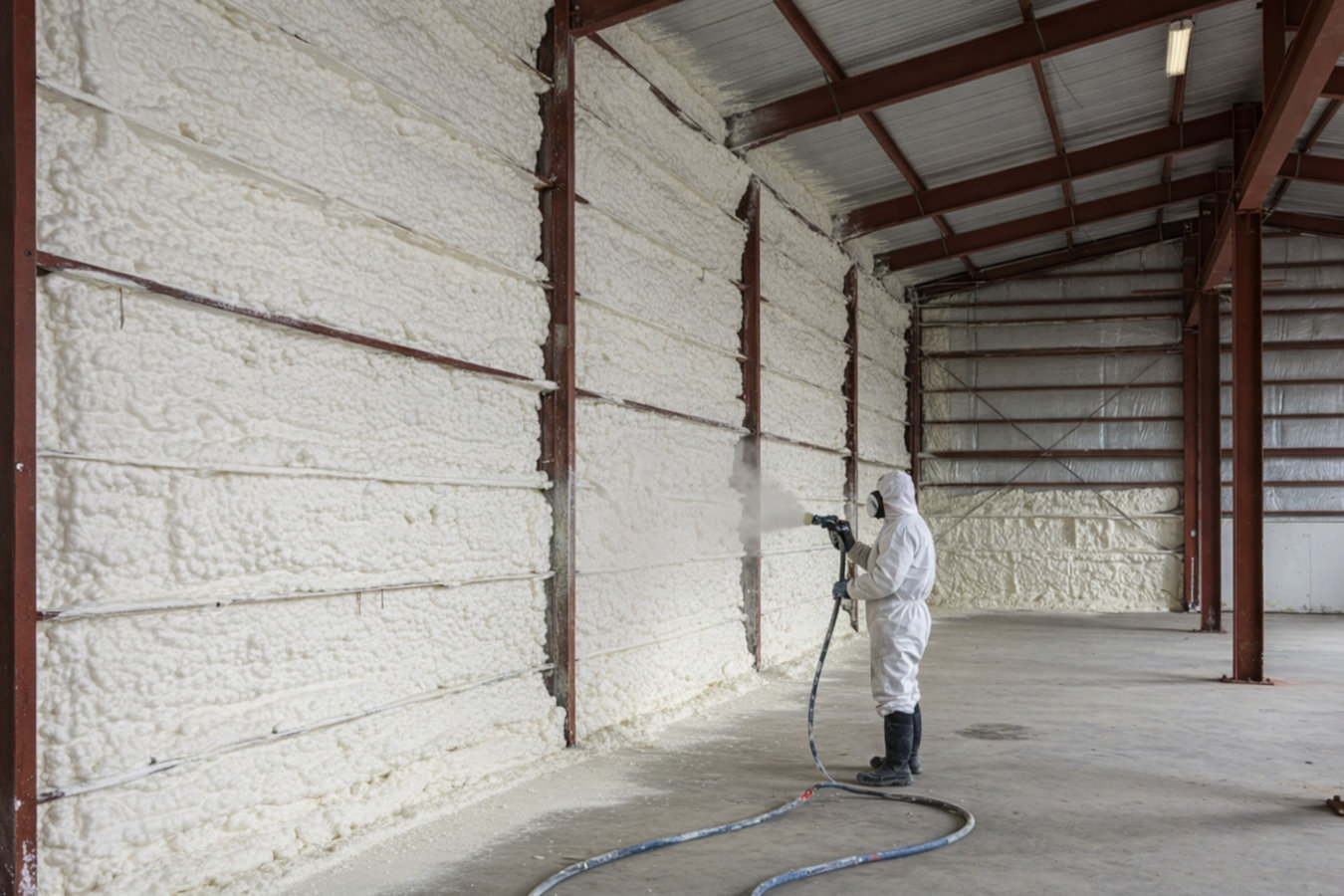
Indio Insulation is an insulation contractor serving Redlands, CA with attic insulation, wall insulation, and commercial insulation for a city where Victorian cottages, Craftsman bungalows, and mid-century ranch homes each present different insulation challenges. We have served the Inland Empire and surrounding communities since 2022, and we respond to new inquiries within one business day.
Redlands has a substantial commercial building stock, including older downtown properties and the institutional buildings surrounding the University of Redlands, many of which were constructed before California's current Title 24 energy standards applied meaningful insulation requirements. A commercial building with thin or aging insulation in a city where summer temperatures regularly reach 95 to 105 degrees Fahrenheit faces both a comfort problem and a significant operating cost problem. Our commercial insulation service covers retrofits, renovations, and new build-outs, with permit coordination handled from our side.
Redlands sits at about 1,300 feet elevation, inland enough that summer heat accumulates aggressively in attic spaces. Victorian and Craftsman homes near downtown often have uninsulated or minimally insulated attics from original construction, while ranch homes from the 1960s and 1970s have settled material that no longer performs at its original rating. Adding blown-in insulation to the attic floor is typically the highest-return single upgrade available to a Redlands homeowner whose cooling bills have climbed in recent years.
Older Redlands homes, particularly those built before 1950 with wood-frame construction and plaster walls, frequently have no insulation in the wall cavities at all. For finished homes, we install dense-pack blown-in material through small holes drilled into the exterior or interior wall surface, patched afterward without requiring a full renovation. The clay soils under many Redlands properties expand and contract seasonally, which gradually widens gaps around window frames and wall penetrations, so air sealing is typically done alongside the insulation work.
Redlands has one of the largest concentrations of pre-1940 homes in the Inland Empire, and retrofitting insulation into these properties requires a different approach than new construction. Original balloon-frame construction, plaster lath walls, and irregular cavity dimensions all affect how material is installed and how access holes are positioned. We assess each property individually rather than applying a one-size approach, which is especially important in neighborhoods near the historic downtown district where homes have more variation than the tract subdivisions on the north and east sides.
Homes with original attic insulation from the 1950s or earlier sometimes have material that cannot be built on, whether due to rodent contamination, moisture damage from past roof leaks, or simply decades of compression that have reduced the depth to an ineffective level. When removal is the right call, we vacuum and bag the old material thoroughly before new installation begins. This is a common starting point for Redlands properties that have never had their attic addressed and where the existing material is unknown or visibly degraded.
Many Redlands owner-occupants have lived in their homes for 20 years or more and have never had a full insulation review. In a home that age with original insulation throughout, the attic, walls, and any crawl space or subfloor areas may all be underperforming at the same time. A whole-home assessment identifies where heat gain and loss is most significant and sequences work in order of return, so a fixed budget goes toward the improvements that will have the clearest impact on summer cooling costs.
Redlands grew rapidly during the citrus boom of the 1880s through the 1920s, and a large number of the homes built during that era are still occupied today. Victorian mansions, Craftsman bungalows, and early-20th-century wood-frame houses are far more common here than in most Inland Empire cities. These homes were built long before modern insulation standards existed, and many have never had their walls or attics addressed in a meaningful way. Working in a pre-1940 home requires a different level of assessment than working in a 1990s tract house, because original construction methods and materials vary more from property to property and often present surprises inside the walls.
The clay soils that underlie much of Redlands add a recurring stress to the building envelope. Clay expands when the soil absorbs water from winter rains and contracts again as the ground dries out through the summer months. That seasonal movement gradually shifts foundations, cracks stucco, and widens gaps around window frames, baseplate connections, and exterior penetrations. A well-sealed and well-insulated home in Redlands needs periodic assessment because the ground itself is working on the envelope year after year, opening pathways that air can exploit.
Summer heat is a real problem here. Temperatures regularly climb between 95 and 105 degrees Fahrenheit from June through September, and the intensity is compounded by the Inland Empire's low humidity. A home with thin attic insulation and uninsulated walls is genuinely uncomfortable during these months, and the energy cost of running air conditioning through a poorly insulated envelope is substantial. Unlike the coastal cities, Redlands does not benefit from marine air in the evenings, so a home that has absorbed heat during the day retains it well into the night.
We coordinate permitting through the City of Redlands Community Development Department when required, and we are familiar with the distinctions between the older residential neighborhoods near downtown and the newer subdivisions on the city's northern and eastern edges. Properties near the historic downtown district require more individualized assessment because the housing stock is more varied and the construction methods less predictable than in the city's newer areas.
Interstate 10 provides the main corridor through Redlands, and the city is anchored by the University of Redlands, a private liberal arts institution founded in 1907 that employs hundreds of people and draws a stable, long-term faculty and staff population to the surrounding neighborhoods. The Kimberly Crest House and Gardens, a Victorian mansion built in 1897 and now open to the public, sits in the hills above the city and is one of the most recognized landmarks in Redlands. We have worked on homes throughout the city, from the blocks near the university to the streets in the newer developments to the north.
We also serve homeowners in Yucaipa, about 10 miles to the east, where the higher elevation brings colder winters and a somewhat different set of insulation priorities. Both cities have a large share of older owner-occupied homes, and the questions we hear most often from homeowners in Redlands are similar to what we hear in Yucaipa: what is actually in my walls, and is it still doing anything useful?
Tell us about your home, its age, what you have noticed about comfort or energy bills, and whether you have any information about past insulation work. We respond within one business day.
A crew member visits the property and assesses what is in the attic and walls, checks for moisture, pest, or contamination issues that affect the approach, and notes any air sealing needs. Older Redlands homes often have more variables than newer ones, so the visit is more important here than in a standardized tract neighborhood. Written estimate provided with no obligation.
We seal penetrations and gaps around the building envelope before adding new material. For older Redlands homes with wood-frame construction, there are often more unsealed openings than in post-1980 homes. Installation follows once sealing is complete, in attic spaces, wall cavities, or both depending on the scope.
We confirm coverage and depth before leaving, clean up the work area, and provide written documentation of what was installed. Keep this record for utility rebate applications, federal tax credit filings, and any future property disclosures.
We serve all of Redlands, from the historic Victorian and Craftsman neighborhoods near downtown to the newer subdivisions on the north side. Written quote, no obligation, response within one business day.
(442) 215-3507Redlands is a city of about 73,000 to 75,000 people in San Bernardino County, about 60 miles east of Los Angeles and close to the Interstate 10 freeway. The city has a strong local identity rooted in its citrus-farming history, and many of the homes built during the boom era of the 1880s through 1920s are still standing and well-maintained. The University of Redlands, founded in 1907, anchors the central part of the city and has helped sustain a stable, owner-occupied housing market for over a century. About 60 percent of housing units in Redlands are owner-occupied, and many residents have deep roots in the community.
Redlands has one of the largest concentrations of Victorian and Craftsman-era homes in Southern California. The neighborhoods around the historic downtown, near Kimberly Crest House and Gardens, and around the University of Redlands have a distinct architectural character that sets them apart from the stucco ranch homes and tract subdivisions that define most Inland Empire cities. Homes in these older neighborhoods commonly sit on larger lots with mature trees and brick or stone walkways, and they require contractors who are accustomed to working with pre-modern construction rather than standardized modern framing.
Mid-century ranch homes and newer stucco subdivisions on the north and east sides of the city round out Redlands' housing stock, providing a range of property ages and construction types in a relatively compact area. We serve homeowners throughout Redlands, and we also work regularly in nearby Yucaipa to the east, where the foothills bring colder winters and a different set of insulation priorities than the valley floor below.
Spray foam creates an air-tight seal that dramatically cuts heating and cooling costs.
Learn moreProper attic insulation keeps conditioned air inside and desert heat outside.
Learn moreBlown-in insulation fills gaps and irregular spaces evenly for consistent coverage.
Learn moreSafe removal of old, damaged, or contaminated insulation before a fresh install.
Learn moreInsulating the crawl space reduces moisture issues and floor-level temperature swings.
Learn moreWall insulation quiets noise transfer and keeps indoor temperatures stable.
Learn moreAir sealing closes the gaps that let conditioned air escape and allergens enter.
Learn moreBasement insulation prevents cold floors and moisture-related energy loss.
Learn moreClosed-cell foam offers the highest R-value per inch and doubles as a vapor barrier.
Learn moreOpen-cell foam provides excellent sound dampening and flexible coverage.
Learn moreSealing attic penetrations stops the stack effect that drives up energy bills.
Learn moreA vapor barrier blocks ground moisture from entering your living space.
Learn moreProfessional vapor barrier installation protects walls, floors, and foundations.
Learn moreCommercial insulation solutions for offices, warehouses, and multi-unit buildings.
Learn moreServing these cities and communities.
Call us or submit a request today and we will respond within one business day with a free, written estimate for your Redlands property.